

Preventive Care vs Diagnostic Care: Why a “Free” Screening Can Still Turn Into a Bill
A screening can be advertised as preventive and covered without cost sharing, yet a patient can still receive a bill after the appointment. The reason is that insurance treatment often depends on why the service was performed and what happened during the visit. Preventive care and diagnostic care can involve the same body part, similar tests, or even the same doctor’s office while being billed differently.
Understanding preventive vs diagnostic care helps explain why a ‘free’ screening can become a charged follow-up without necessarily meaning the insurance company made a mistake.
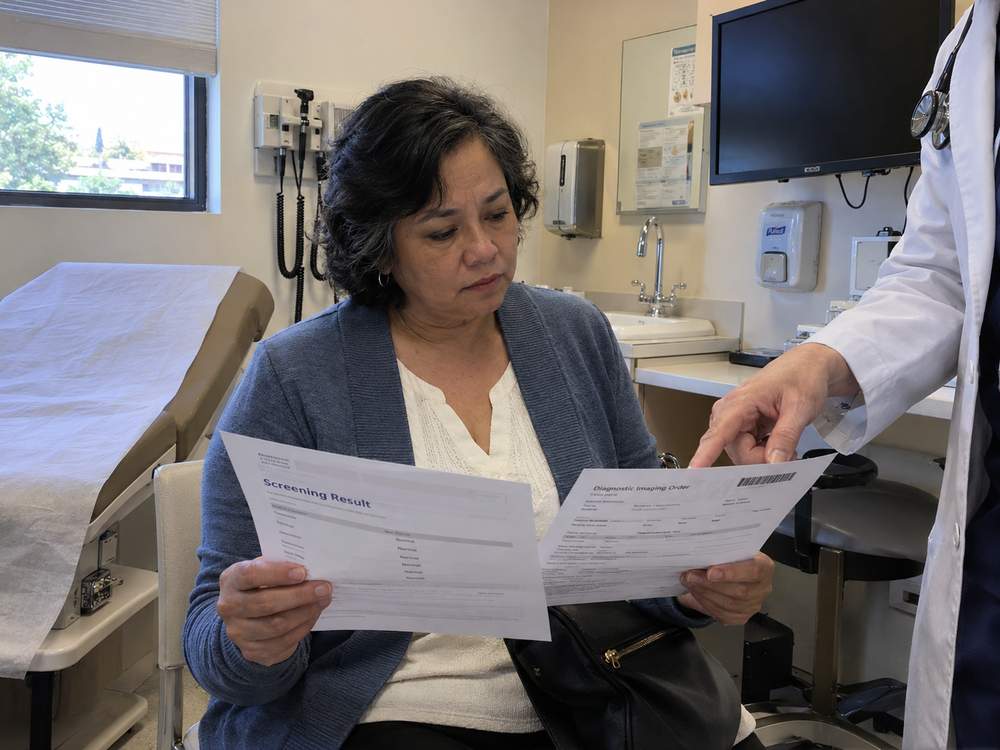
What Preventive Care Means
Preventive care is routine care designed to prevent illness or detect certain conditions before symptoms or a known problem drives the evaluation. Under the Affordable Care Act, most health plans must cover a defined set of recommended preventive services without cost sharing when the requirements are met and the service is delivered in network.
Examples can include certain vaccines, blood pressure screening, cholesterol testing, well-child visits, and certain cancer screenings. Eligibility can depend on age, sex, risk factors, frequency, and the current preventive-service recommendation. Not every test is automatically preventive for every person.
What Diagnostic Care Means
Diagnostic care is used to investigate a symptom, abnormal result, known condition, or specific medical concern. Once a test is ordered because something needs to be explained or treated, normal deductible, copay, or coinsurance rules may apply.
This does not make the service less important. It simply means the purpose of the care has changed from routine prevention to evaluating a possible or known problem.
The Same Test Can Be Preventive or Diagnostic
Consider a screening colonoscopy. When a person meets the preventive criteria and has no symptoms, the service may qualify for preventive treatment under the plan. If the same type of procedure is ordered because of bleeding, a prior abnormal result, or another symptom, it may be considered diagnostic.
The same idea can apply to mammography, laboratory testing, and other screening services. The reason for the service, the coding, and the applicable federal guidance all influence how the claim is processed.
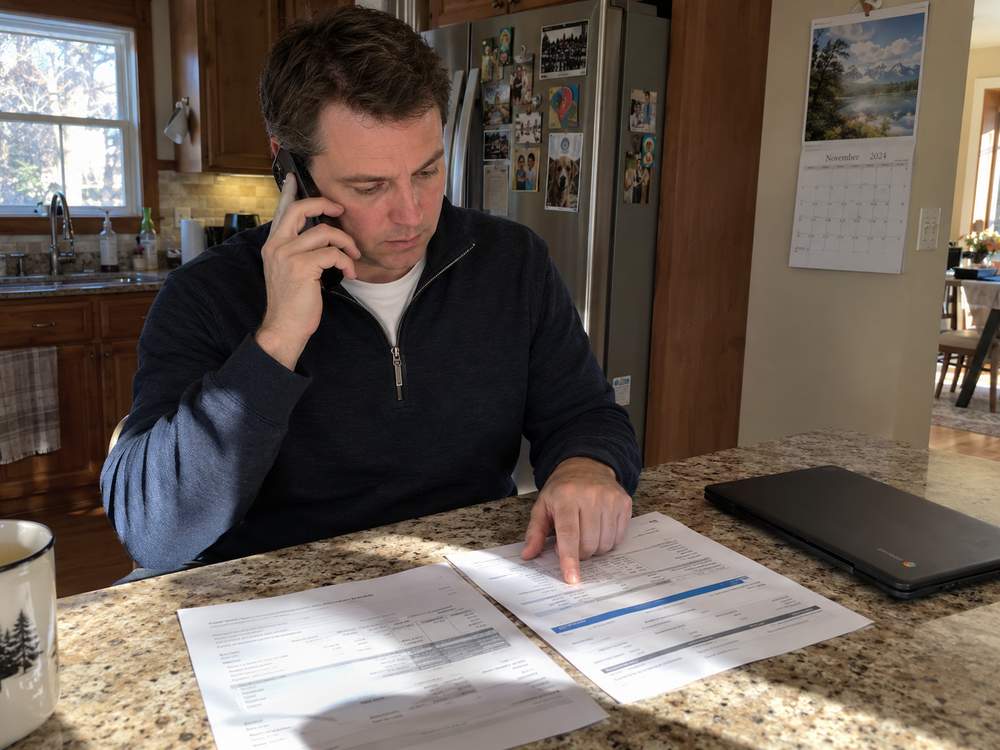
Why an Office Visit Can Still Produce a Charge
HHS explains that a health plan may charge for part of an office visit when the preventive service is not the primary purpose of the visit. For example, a person can schedule an annual preventive visit and also ask the clinician to evaluate a new symptom or manage a separate medical problem.
The preventive portion of the encounter may still be covered according to preventive-care rules while the additional problem-focused service receives normal cost sharing. That can make one appointment produce both a no-cost preventive line and a charged diagnostic or evaluation line.
Network Status Still Matters
No-cost preventive protections generally apply when the service is received from an in-network provider. A plan may cover preventive care from an out-of-network provider differently or charge the member. Grandfathered plans can also have different preventive-care rules.
Before a routine screening, verify the provider and facility network status. This is particularly important when a hospital-owned clinic, imaging center, or laboratory is involved.
Ask Questions Before the Appointment
Before the visit, ask whether the service is considered preventive under the plan for your age and situation, whether you are due under the recommended frequency, and whether both the provider and facility are in network. If laboratory work will be sent elsewhere, ask which lab will process it.
Also ask what happens if the screening finds an abnormality that requires additional testing. The initial preventive service and the follow-up diagnostic work may be processed differently even when they happen close together.
What to Do if the Bill Looks Wrong
Start with the Explanation of Benefits. Compare the billed service with the insurer’s processing description and member responsibility. Then contact the insurer to ask whether the claim was treated as preventive or diagnostic and why.
If the provider’s billing code appears inconsistent with the reason for the visit, the provider’s billing office can review it. If the insurer applied the plan rules incorrectly, the plan’s appeal process may be available. A review does not guarantee the charge will disappear, but it can clarify whether the bill was processed correctly.
Follow-Up Services Can Be Billed Separately From the Screening
A screening can remain preventive while a separate follow-up service becomes diagnostic. For example, the initial imaging may be covered as preventive, but a second study ordered after an abnormal result may be subject to the deductible or coinsurance. Pathology, additional laboratory analysis, or a separate problem-focused office visit can also have their own claim lines.
This is why looking only at the appointment label can be misleading. The insurer processes individual services and billing codes, not the patient’s general impression that the whole encounter was ‘a screening.’ The Explanation of Benefits is the clearest place to see which lines were treated as preventive and which were not.
Grandfathered Plans Can Follow Different Preventive-Care Rules
Most modern health plans follow the Affordable Care Act preventive-service requirements, but grandfathered plans can be exempt from some of those protections. A member who has had the same older coverage for many years should not assume every no-cost preventive rule applies in exactly the same way.
If the plan is grandfathered or otherwise unusual, ask the insurer directly which preventive services are covered without cost sharing and whether network restrictions apply. The plan document controls when federal exceptions are involved.
Ask How the Visit Will Be Coded Before a Planned Screening
The billing office cannot always guarantee the final code in advance, but it can explain whether the appointment is scheduled as preventive and whether separate services are likely to be billed. The insurer can also confirm the plan’s preventive benefit and network requirements before the visit.
That conversation is especially useful when a patient plans to discuss a new symptom during an annual exam or when a screening may include additional testing. Knowing that a second service could create cost sharing makes the eventual bill less surprising.
Ask What the Service Is Being Done For
The easiest way to understand preventive vs diagnostic care is to ask why the service is being performed on that day. ACA preventive services may be covered without cost sharing when the service meets the applicable preventive guidelines and plan rules, but that does not mean every related test or office service is automatically free preventive care. Symptoms, an abnormal prior result, or a separate medical concern can change how part of the visit is coded and billed. That distinction is central to preventive care health insurance questions.
Before a screening, ask the provider whether the appointment is scheduled as preventive and whether any additional problem focused work is expected. Then ask the insurer how the plan handles health insurance screening coverage, including network requirements. If a bill arrives, compare the codes on the claim with the reason for the visit before assuming the charge is wrong. Understanding preventive vs diagnostic care makes it easier to ask precise questions about ACA preventive services and free preventive care. For consumers comparing plans, preventive care health insurance benefits and health insurance screening coverage should be reviewed in the plan documents, especially when regular screenings are important. A final check of ACA preventive services, free preventive care, and health insurance screening coverage can clarify which services may still generate cost sharing.
Frequently Asked Questions
Is an annual physical always free?
Many preventive services can be covered without cost sharing, but additional diagnostic or problem-focused services during the same visit may be billed separately. Network and plan status also matter.
Why did my screening become diagnostic?
A screening can become diagnostic when the service is being used to investigate symptoms, an abnormal finding, or another specific medical concern.
Are preventive services free out of network?
Not necessarily. The federal no-cost preventive-care protections generally depend on using an in-network provider, and plan rules can differ outside the network.
“Preventive” Describes the Purpose of Care, Not Every Service Around It
Preventive care health insurance rules can remove cost sharing from many recommended services, but they do not make every test or follow-up automatically free. Understanding why the service was performed, whether the provider is in network, and whether additional diagnostic work occurred is the best way to understand an unexpected bill.