

In-Network vs Out-of-Network Care: How to Avoid a Medical Bill You Never Expected
Going to an in-network hospital does not always mean every person involved in the visit is also in network. A patient may choose the right facility and later discover that an anesthesiologist, radiologist, laboratory, or another professional had a different network relationship. That is one reason unexpected medical bills became such a major consumer problem.
The in network vs out of network distinction still matters, but federal No Surprises Act protections now limit many of the most common surprise billing situations. Knowing where those protections apply can help a patient challenge a bill instead of assuming every charge is valid.
What In Network Means
An in-network provider has a contract with the health plan. The contract usually includes negotiated prices, and the member’s normal deductible, copay, or coinsurance rules apply. In-network cost sharing generally counts toward the plan’s in-network out-of-pocket maximum.
Network status is specific to the exact plan. A doctor can participate with one plan from an insurer and not another. Always verify the network tied to the member’s plan ID rather than relying only on the insurance company name.
What Out of Network Means
An out-of-network provider does not have the same contract with the plan. Depending on the plan, routine out-of-network care may be covered at a higher cost or may not be covered at all. PPOs often provide some out-of-network benefit, while HMOs and EPOs may exclude routine out-of-network care except in specific situations.
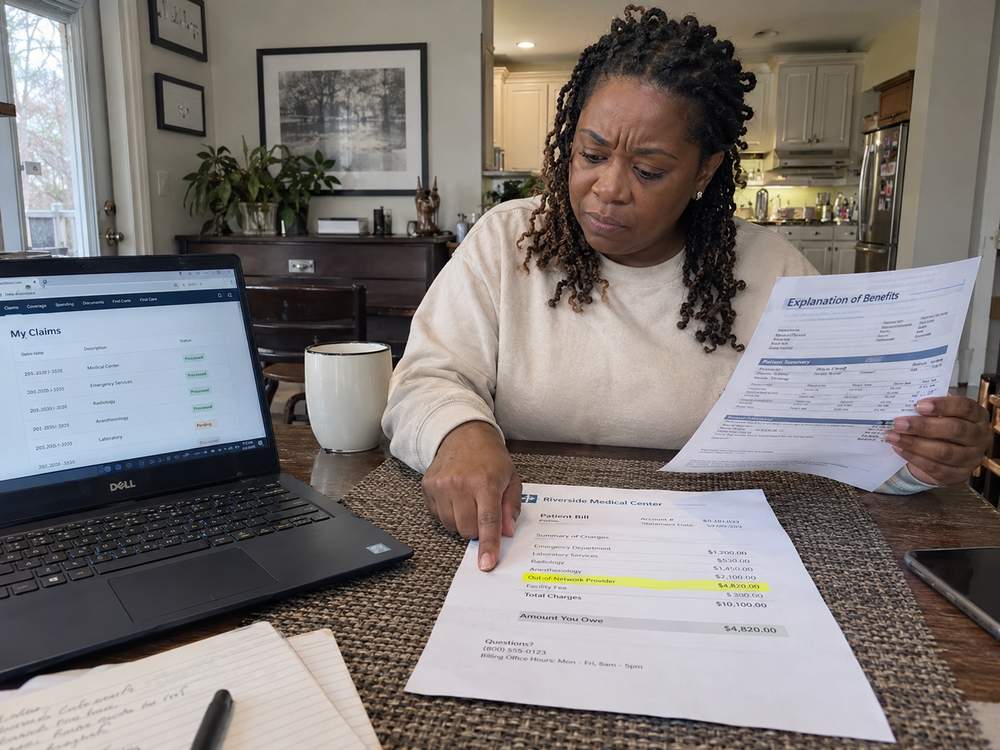
Out of network charges may also include balance billing when the provider bills the patient for an amount beyond what the plan recognizes, unless federal or state protections prohibit it. Those charges may not count toward the plan’s normal in-network out-of-pocket maximum.
Why an In-Network Hospital Is Not the Whole Story
A hospital visit can involve multiple businesses and clinicians. The facility may be in network while the anesthesiologist, radiologist, pathologist, laboratory, or another specialist has a different contract. Before federal protections, patients sometimes discovered that difference only after the bills arrived.
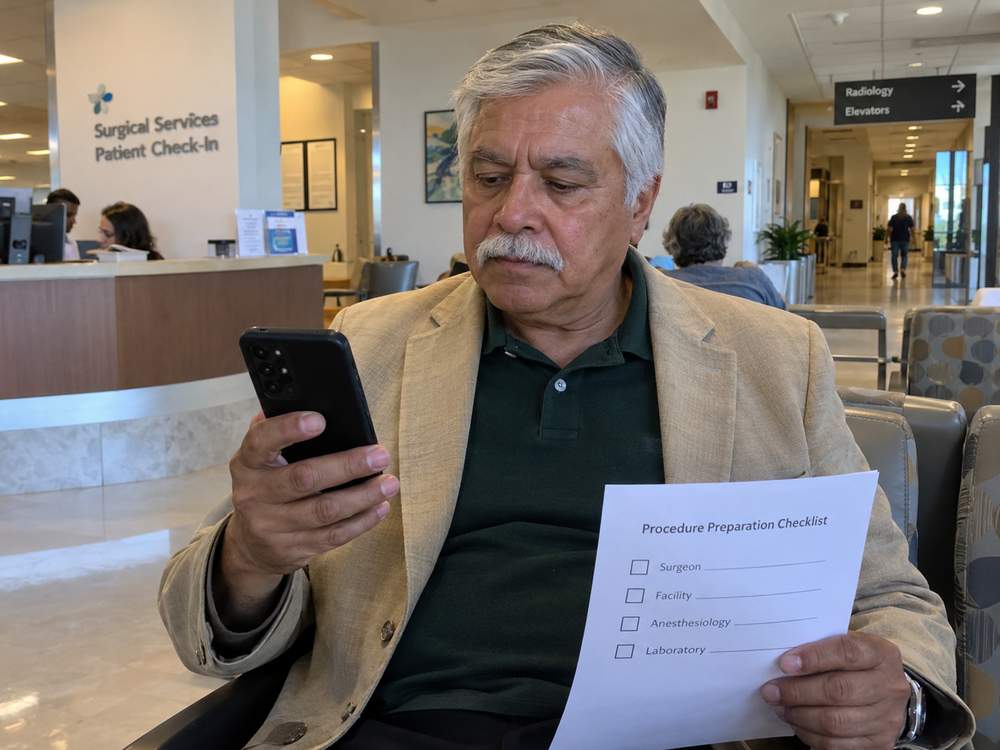
For scheduled care, it is still useful to ask which facility, surgeon, laboratory, imaging provider, and other professionals are expected to be involved. Verifying ahead of time reduces the chance of a network problem that falls outside federal protection.
What the No Surprises Act Protects
The federal No Surprises Act generally protects people with group and individual health coverage from many surprise out-of-network bills for emergency services, certain non-emergency services received at in-network facilities, and covered out-of-network air ambulance services. When the law applies, the patient’s cost sharing is generally limited to the applicable in-network amount.
The law is especially important when the patient had little or no ability to choose the out-of-network provider. It also includes rules that restrict balance billing in protected situations.
What the Federal Law Does Not Automatically Cover
The No Surprises Act does not make every out-of-network bill illegal. Ground ambulance services are generally not covered by the federal surprise-billing protections, although state laws may provide additional protection. Vision-only, dental-only, short-term limited duration, and certain other coverage arrangements can also fall outside the federal rules.
Voluntarily choosing an out-of-network provider for routine care can still produce higher costs when the situation is not protected. Federal law reduces surprise billing; it does not turn every provider into an in-network provider.
Notice and Consent Can Matter in Some Non-Emergency Situations
In certain non-emergency situations, an out-of-network provider may use a notice-and-consent process that asks a patient to give up some surprise-billing protections. The document should never be treated as routine paperwork. Read the estimated charges and network status before signing.
Some types of ancillary services have stronger protections and cannot simply use consent to shift every out-of-network cost to the patient. If the situation is unclear, contact the health plan before agreeing to the service.
How to Verify a Provider Before Scheduled Care
Use the insurer’s current provider directory, then call the provider’s billing office and confirm the exact plan. For a procedure, ask about the facility, surgeon, anesthesia group, laboratory, radiology provider, and any other major services that are expected. Keep screenshots or notes when the network status is important.
If the provider directory and office give conflicting information, ask the insurer to document the call. Network data can change, and a written record can be helpful if a claim is later processed unexpectedly.
What to Do With an Unexpected Bill
Compare the provider bill with the Explanation of Benefits. Look at how the claim was classified, the network status, the allowed amount, and the member responsibility. If the service appears protected by the No Surprises Act, contact the insurer and provider rather than paying immediately without review.
CMS offers a federal consumer-assistance process for surprise-billing complaints. State insurance departments can also be useful when state law provides broader protections.
Keep Evidence When the Directory Says a Provider Is In Network
Provider directories can be wrong or out of date. Before expensive scheduled care, save a screenshot of the directory listing, note the date, and write down the name of the insurer representative who confirms network status. If the claim is later processed as out of network, that record can support a request for review.
Federal rules also place provider-directory responsibilities on health plans and issuers, but consumers should still document what they were told. A short record of the verification call can be far more useful than trying to reconstruct the conversation months later after a bill arrives.
State Law May Add More Protection
The No Surprises Act creates a federal floor of protection, but some states have broader rules for particular providers or billing situations. A bill that falls outside the federal law may still be restricted under state insurance law, especially for state-regulated plans.
If the insurer and provider cannot resolve an unexpected out-of-network bill, the state insurance department can help explain which protections apply. Employer self-funded plans may follow a different regulatory path, so the type of plan also matters.
Verify Every Part of a Scheduled Procedure
For planned care, the safest in network vs out of network check goes beyond the hospital name. Ask about the surgeon, facility, anesthesiology group, laboratory, imaging provider, and any other professional likely to bill separately. Save screenshots or written confirmations from the health insurance provider network when possible. This preparation cannot eliminate every billing problem, but it can reduce avoidable out of network charges and make it easier to challenge an incorrect claim later.
Federal protections under the No Surprises Act are important, but they do not make every network question disappear. Some surprise medical bills remain possible in situations outside the federal protections, and state rules can differ. Before a scheduled service, repeat the in network vs out of network verification if the appointment changes location or provider. After care, compare the bill with the Explanation of Benefits and watch for unexpected out of network charges. If a protected service appears to have generated one of these surprise medical bills, contact the insurer and provider and ask how the No Surprises Act applies. Keeping the health insurance provider network evidence from before the visit can be valuable during that review.
Frequently Asked Questions
Can an out-of-network provider bill me after emergency care?
Federal protections generally limit surprise out-of-network charges for covered emergency services when the No Surprises Act applies. The patient’s cost sharing is generally treated at the in-network level.
Does the No Surprises Act cover ground ambulances?
Generally no. Ground ambulance services are not broadly covered by the federal surprise-billing protections, although state laws can differ.
Does my out-of-pocket maximum include out-of-network bills?
Not necessarily. Marketplace out-of-pocket limits apply to covered in-network cost sharing, and out-of-network expenses or balance-billed amounts may not count.
Network Status Is Worth Checking Before and After Care
The best defense against surprise medical bills is a combination of preparation and knowing your rights. Verify the exact health insurance provider network before scheduled care, review the Explanation of Benefits after care, and recognize when federal protections may apply. An unexpected bill should be investigated before it is assumed to be correct.