
Missed Open Enrollment? The Life Events That Can Still Get You Health Coverage
Missing the annual health insurance open enrollment deadline does not always mean waiting until next year. The Marketplace uses Special Enrollment Periods to let people enroll or change plans after certain life events, including losing other coverage, moving, getting married, having a baby, or adopting a child.
The important part is timing. A qualifying life event health insurance rule usually creates a limited enrollment window, and some events require documents. Acting quickly can make the difference between continuous coverage and a gap.

Open Enrollment and Special Enrollment Are Different Windows
For the federal Marketplace, Open Enrollment runs from November 1 through January 15 each year. During that period, eligible consumers can apply for or change Marketplace coverage without needing a special life event. State-based Marketplaces can operate their own enrollment systems and should be checked directly.
A Special Enrollment Period is a separate opportunity outside that yearly window. It exists because life does not always line up with the calendar. Someone who loses job-based insurance in April or gets married in August may need coverage immediately rather than months later.
Losing Health Coverage Is One of the Most Common Triggers
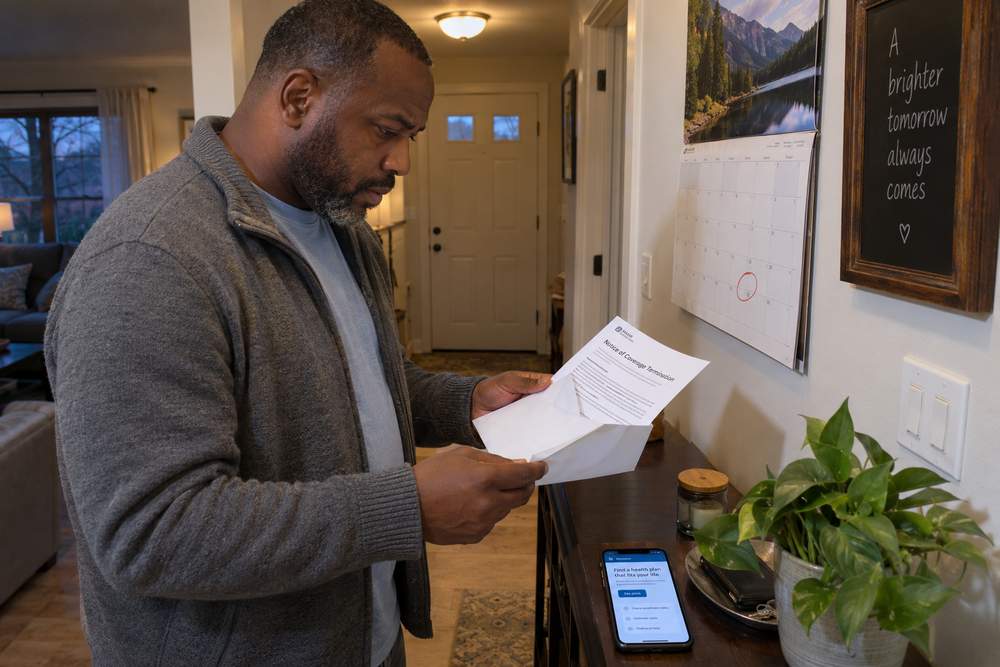
Loss of qualifying coverage can open a Special Enrollment Period. Examples can include losing job-based insurance, an individual plan, student coverage, certain Medicare eligibility, or coverage through a parent’s plan after turning 26. Losing Medicaid or CHIP can also create a Marketplace enrollment opportunity.
Voluntarily dropping coverage is not always treated the same way as losing it involuntarily. A person should verify that the specific loss qualifies before canceling existing coverage in the hope of creating a new enrollment right.
Marriage, Birth, Adoption, and Other Household Changes
Getting married, having a baby, adopting a child, or receiving a child through foster placement can create enrollment rights outside Marketplace Open Enrollment. A birth is especially important because current Marketplace rules allow coverage to start from the baby’s date of birth when enrollment is completed within the allowed window.
Household changes can also affect premium tax credits and eligibility for Medicaid or CHIP. Reporting the change promptly helps the Marketplace recalculate both coverage options and savings.
Moving Can Qualify, but Not Every Move Does
Certain permanent moves can create a Special Enrollment Period, including moving to a new ZIP code or county, moving to the United States, or certain moves connected with school or seasonal work. Temporary travel or moving only for medical treatment generally does not create the same right.
Some moving SEPs also require proof that the person had qualifying coverage before the move. Because the rules depend on the circumstances, the Marketplace eligibility result should be treated as the final determination rather than assuming any address change qualifies.
The 60-Day Window Matters
Many Special Enrollment Periods provide roughly 60 days before or after the qualifying event, depending on the event. Current federal Marketplace rules give people who lose qualifying coverage 60 days before or 60 days after the loss to pick a plan. Loss of Medicaid or CHIP currently has a longer 90-day post-loss window.
Missing the SEP deadline can leave a person waiting until the next Open Enrollment unless another qualifying event occurs. That is why someone who knows coverage will end soon should start comparing plans before the termination date rather than waiting for the last day.
You May Need Documents to Prove the Event
The Marketplace may ask for proof of the event, such as a coverage termination letter, marriage certificate, or documentation of a move. When documentation is required, current federal Marketplace guidance generally gives 30 days after plan selection to submit it.
Coverage may not be usable until eligibility is confirmed and the first premium is paid. Keeping copies of notices and submitting documents through the Marketplace account promptly can reduce delays.
Medicaid and CHIP Do Not Use the Same Annual Enrollment Window
Medicaid and the Children’s Health Insurance Program can be applied for throughout the year. Someone who misses Marketplace Open Enrollment but has a low or moderate household income should still complete an application to see whether Medicaid or CHIP is available.
Those programs follow state eligibility rules, so the result can differ significantly from one state to another. The Marketplace application can often screen for them at the same time it checks Marketplace eligibility.
Coverage Start Dates Depend on the Event
A Special Enrollment Period does not always produce the same effective date. Loss-of-coverage enrollment commonly starts the first day of the month after the old coverage ends and the new plan is selected. Birth and adoption can be treated differently, with coverage often able to start from the date of the event. Marriage and moving can follow their own timing rules.
That is why someone should not assume that selecting a plan today means coverage starts tomorrow. The eligibility notice and plan effective date should be checked before scheduling non-urgent care, and the first premium must be paid for Marketplace coverage to take effect.
What to Do While an SEP Is Being Confirmed
If the Marketplace asks for documents, upload them as soon as possible and keep copies. Continue paying any existing coverage that remains active until the new plan’s effective date is confirmed. If urgent care is needed during a transition, keep receipts and claim paperwork because retroactive coverage can apply in some SEP situations after eligibility is confirmed.
Most importantly, do not cancel existing coverage early based only on an application confirmation screen. Wait until the new plan’s effective date and premium payment requirements are clear. A one-day gap can create a very expensive problem if an emergency occurs.
A Special Enrollment Period Still Requires You to Finish Enrollment
Qualifying for a Special Enrollment Period only opens the door. The person still has to complete the Marketplace application, choose a plan, submit requested documents, and pay the first premium. An eligibility notice by itself is not the same thing as active insurance.
Before assuming coverage is in place, confirm the plan name, effective date, premium amount, and payment status. That final check is especially important when the old policy is ending within days.
Use the Event Date to Build Your Enrollment Timeline
A calendar can prevent most enrollment mistakes. Keep the normal health insurance open enrollment dates in mind, but write down the exact date of the event that may trigger a special enrollment period. The qualifying life event health insurance rules are time sensitive, so the event date, the date old coverage ends, and the desired start date for new coverage should all be checked together. People who need to enroll in health insurance outside the annual window should not wait until the last week to gather documents.
This is especially important when the event happens far from marketplace open enrollment. A move, marriage, birth, adoption, or loss of qualifying coverage may create a separate path to coverage, but the rules depend on the event. If you are using a special enrollment period, save the confirmation notices and proof you submit. A second review of the qualifying life event health insurance requirements can catch missing documentation before it delays enrollment. The goal is to enroll in health insurance with enough time to confirm the effective date rather than assuming that the next health insurance open enrollment period is the only option. If documents are requested, submit them promptly so you can enroll in health insurance without an avoidable delay.
Frequently Asked Questions
What happens if I miss my Special Enrollment Period deadline?
If the SEP window passes, you generally must wait for the next Open Enrollment unless another qualifying event gives you a new enrollment opportunity or you qualify for Medicaid or CHIP.
Does getting married qualify for Special Enrollment?
Yes, marriage is a recognized qualifying life event for Marketplace coverage, although plan-selection timing and documentation rules still apply.
Does losing Medicaid qualify for Marketplace coverage?
Yes. Losing Medicaid or CHIP can create a Special Enrollment Period, and the current federal Marketplace provides a 90-day post-loss window in that situation.
Do Not Treat the Enrollment Deadline as the Only Door
Annual enrollment matters, but it is not the only path into coverage. If life changes outside the normal window, check whether the event qualifies instead of assuming you are stuck uninsured. The faster the event is reported and documented, the easier it is to line up a new plan without a gap.