


Whole Life Insurance for Seniors | When Permanent Coverage Can Fit
Buying life insurance later in life is usually less about replacing 30 years of salary and more about deciding which financial obligation should not be left to someone else. That is the right starting point for whole life insurance for seniors. The need may be final expenses, a surviving spouse, a small debt, a legacy, or support for a family member.
Senior life insurance can take several forms, and age alone does not determine the answer. Some older applicants can still qualify for fully underwritten coverage. Others may compare simplified-issue or guaranteed-issue policies. Premiums are generally higher at older ages, so the amount of coverage and the reason for buying it become especially important.
The best life insurance for seniors is not automatically the policy with the easiest application or the largest advertised benefit. It is the policy that addresses the real need, remains affordable, and has terms the buyer understands.
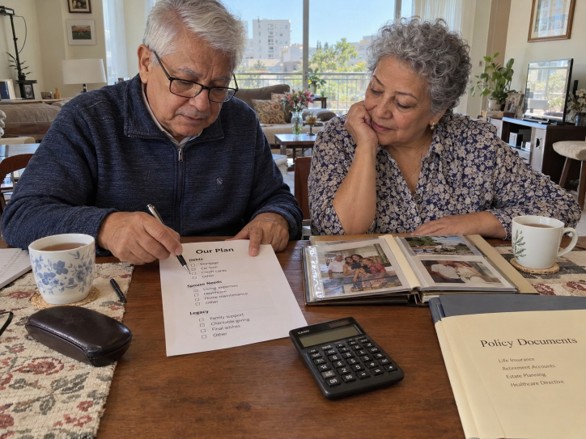
Senior Life Insurance Needs Often Change
Life insurance needs often shrink or change after retirement. Children may be independent and the mortgage may be smaller, so a large income-replacement policy may no longer be necessary. At the same time, other needs can remain or become more visible.
Final expenses are one example. A surviving spouse may also need short-term liquidity. Some families want a modest legacy. Others are supporting an adult child or helping cover caregiving costs. Small debts can also create a burden if there is not enough cash available at death.
The useful question is not simply whether life insurance for seniors is available. It is how much money the family would actually need and what problem that amount would solve. A clear purpose prevents overbuying and makes premium comparison more meaningful.
Why Whole Life Can Appeal to Older Buyers
Whole life can appeal to older buyers because it is designed for lifetime coverage and generally uses a predictable structure. If the policy remains in force, the owner does not have to worry about a fixed term ending at an advanced age. Cash value may also develop, although later-life buyers should not assume rapid accumulation.
The trade-off is cost. Age has a large effect on premium, and a permanent policy can require a meaningful monthly or annual commitment. The premium must fit retirement income without creating stress.
For that reason, affordable life insurance for seniors often starts with a smaller, goal-specific benefit rather than a large round number. If the goal is to cover final expenses and a small debt, the policy can be sized around those needs.
A later-life needs worksheet can make the decision more practical. One couple may list $18,000 for final arrangements, $12,000 of remaining credit-card and medical debt, and $20,000 they want available for the surviving spouse. If they already have $15,000 set aside, the remaining gap is much smaller than a generic $100,000 policy. That smaller target may produce a premium that is easier to sustain. Another senior with a lifelong dependent could have a much larger need. The point is to size the benefit around the actual obligation rather than around an age-based marketing package.
Health and Underwriting Still Matter
Health and underwriting still matter. Some policies use full underwriting and may request medical information or an exam. Simplified-issue policies typically reduce the underwriting burden but still use health questions and other information. Guaranteed-issue policies may accept applicants within stated eligibility rules with little or no health qualification, but they can have smaller benefits, higher cost per dollar of coverage, or graded death-benefit provisions.
There is no single easiest route for every applicant. A relatively healthy 68-year-old may qualify for better pricing through more underwriting than through a guaranteed-issue product. Someone with significant health challenges may value a simpler path.
The application method should be compared with the premium and policy terms, not judged only by convenience.

Keep the Death Benefit Connected to the Goal
Later-life coverage works best when the death benefit is tied to a real dollar need. List final expenses, remaining debts, spouse support, gifts or legacy goals, and any funds already set aside. The difference can provide a starting point for the coverage amount.
Avoid buying a large policy simply because a maximum benefit is available. A larger benefit creates a larger premium, and a policy that later lapses because it became unaffordable may fail to solve the original problem.
The same principle applies to burial insurance for seniors and other small permanent policies. The product name matters less than whether the benefit amount matches the obligation and the premium is sustainable.
Seniors should also ask who will manage the policy if they become unable to handle paperwork later. A trusted family member may need to know where the policy is kept, who the insurer is, how premiums are paid, and who the beneficiaries are. Automatic payments can reduce missed-premium risk, but account information still needs periodic review. The policy owner should keep copies of the contract, beneficiary designations, and agent or insurer contact information in a place the family can find. Good administration is part of making later-life coverage useful.
Compare Affordability, Waiting Periods, and Guarantees
Compare the premium, benefit amount, policy duration, underwriting method, guaranteed values, and any waiting or graded-benefit provisions. Guaranteed-issue products in particular should be read carefully because some limit natural-death benefits during an initial period. Terms vary by policy.
Also check how long premiums are required, whether the benefit can change, and what happens if a payment is missed. A policy should be simple enough that the owner and family know what to expect.
MM4I can help compare whole life insurance for seniors without using fear or pressure. The goal is to match a later-life need with a policy that is understandable and affordable. That is a better definition of best life insurance for seniors than any universal ranking.
An older buyer should also compare ownership simplicity. If an adult child will help with bills or paperwork later, the family should understand who owns the policy, who can make changes, and how premium notices are delivered. Beneficiary designations should be reviewed carefully and updated through the insurer’s process when life changes. Avoid relying on a will alone to change a policy beneficiary. Administrative clarity is especially important with senior life insurance because the policy may be in force many years after the original purchase conversation is forgotten.
Ask the insurer or adviser for a plain-language explanation of what happens if the owner lives well into their nineties. Does the premium continue? Is the death benefit level? Are there any maturity provisions? Later-life buyers should understand the policy at advanced ages, not only the first ten years.
If a senior is considering replacing existing coverage, compare the old policy carefully before making any change. Older age can make new underwriting more expensive, and an existing policy may contain guarantees or cash value that cannot be recreated. A new policy should not cause the old one to be cancelled until the replacement is fully approved and in force.
For older buyers, the review should include more than the monthly premium. Ask whether the policy can remain affordable on retirement income, whether benefits are immediate or graded, how long premiums are expected, and what happens if circumstances change. Whole life insurance for seniors can make sense when the benefit is clearly tied to a lasting need and the premium can be maintained without squeezing essential household spending.
Frequently Asked Questions
Can seniors qualify for whole life insurance?
Yes, many seniors can qualify for whole life or other life insurance. Available products, underwriting, premiums, and age limits vary by insurer and applicant health.
What makes life insurance affordable for seniors?
Affordability usually comes from matching the benefit to the actual need, comparing underwriting routes, and choosing a premium that fits retirement income. Smaller goal-specific coverage can be more practical than overbuying.
How much coverage does a senior need?
There is no universal amount. Start with final expenses, debts, spouse or dependent needs, and any intended legacy, then subtract funds already available for those purposes.
Later-Life Coverage Should Be Specific, Not Oversized
Senior coverage is most useful when the purpose is clear. A modest policy that reliably covers a defined need can be more valuable than a larger policy that strains the budget.
MM4I can help compare senior life insurance by benefit, premium, underwriting, and policy terms. The objective is practical protection, not the biggest number a brochure will allow.